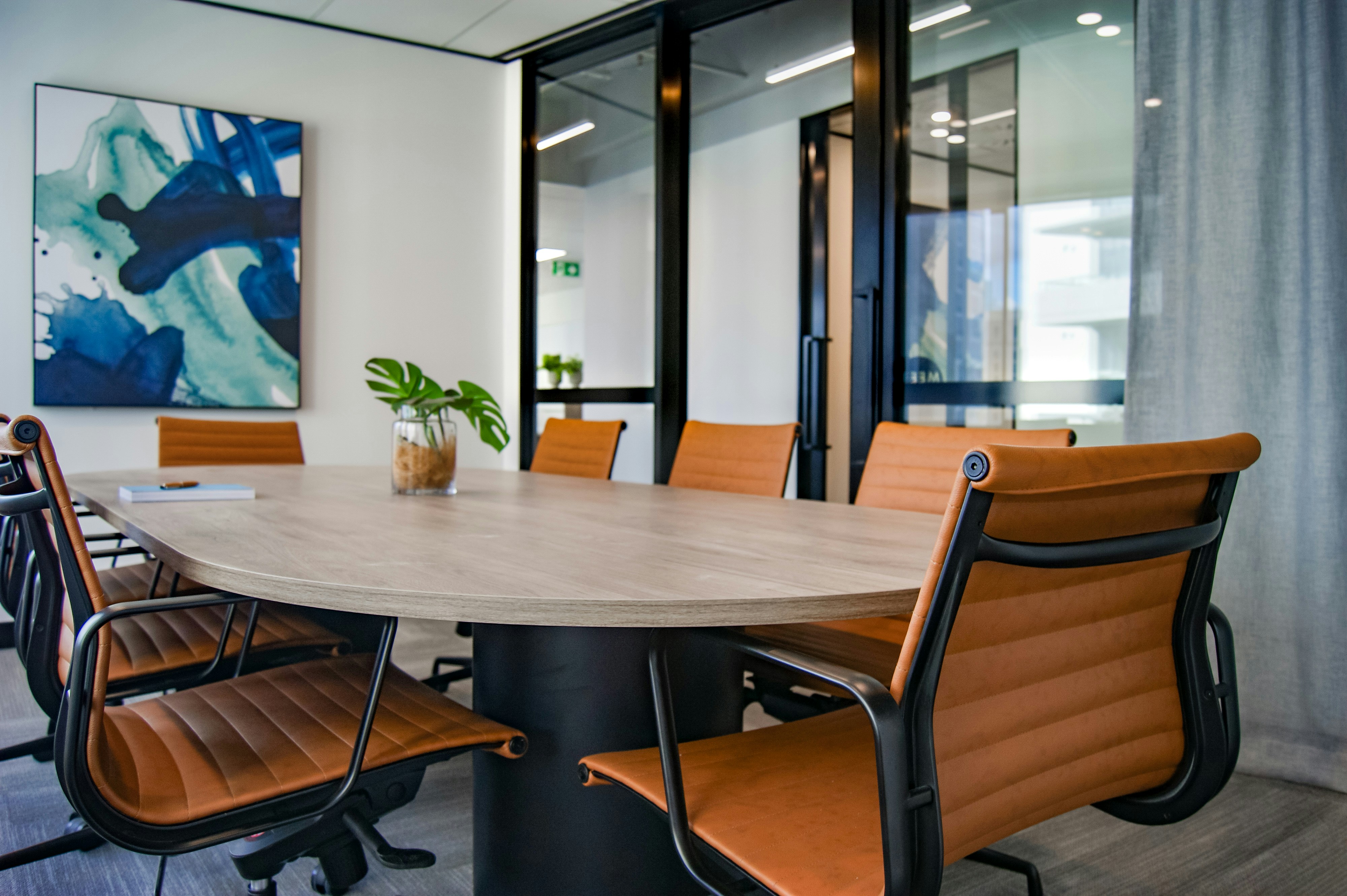
Commercial Interior Designers: Transforming Business Spaces for Productivity, Brand & Growth
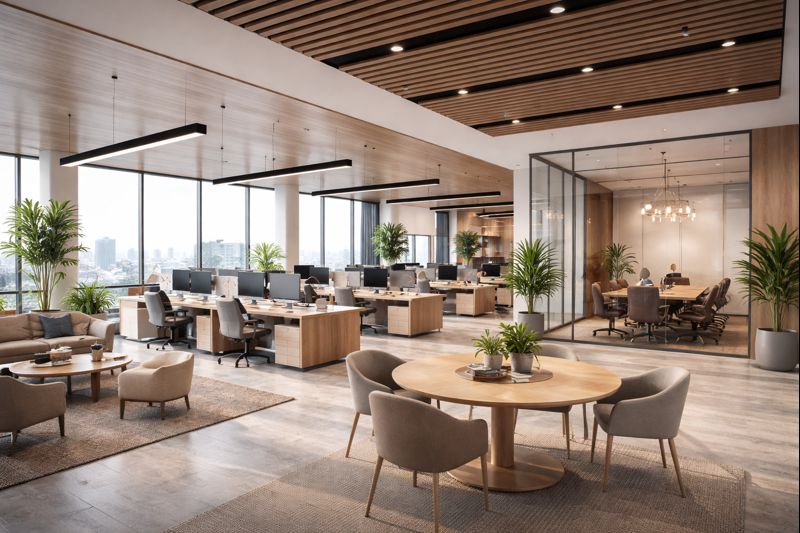
Introduction: Why Commercial Interior Designers Matter More Than Ever
Commercial interior designers play a far more strategic role today than simply shaping how a workspace looks. In an increasingly competitive and experience-driven business environment, the design of commercial spaces directly influences productivity, brand perception, employee satisfaction, and operational efficiency.
Across India, businesses are rethinking how their physical environments support modern work styles. From corporate offices in Noida and Gurgaon to retail showrooms in Lucknow and Kanpur, organizations are investing in commercial interior design to create spaces that support collaboration, wellbeing, and brand consistency.
Modern workplaces must do more than house employees. They must encourage focus, support hybrid work models, enable teamwork, and reflect company values. Thoughtful office workspace design impacts employee morale, safety, workflow efficiency, and even talent retention. As businesses grow and evolve, commercial interior designers help translate business goals into functional, scalable physical environments.
With increasing emphasis on commercial space planning, sustainability, and brand-led design, professional interior designers have become essential partners in long-term business growth rather than optional service providers.
What Do Commercial Interior Designers Do?
Commercial interior designers specialize in planning and designing interiors for business environments such as offices, retail stores, hospitality spaces, healthcare facilities, and co-working hubs. Their work balances functionality, aesthetics, brand identity, safety, and regulatory compliance.
Unlike residential interiors, commercial projects demand durability, scalability, and strict adherence to building codes. Designers focus on how people move, interact, work, and experience the space daily. For turnkey delivery, many teams align early with office design & build services, and coordinate detailing with interior fit-out deliveryto keep planning and execution synchronized.
Key Responsibilities of Commercial Interior Designers
- Commercial space planning and layout optimization
- Developing customized interior design concepts
- Selecting furniture, lighting systems, finishes, and materials
- Integrating brand identity into spatial design
- Designing ergonomic, employee-focused environments
- Coordinating with architects, contractors, vendors, and suppliers
- Ensuring compliance with safety, fire, and accessibility standards
Every design decision is tied to operational efficiency, employee performance, and brand perception. The goal is to create spaces that work seamlessly for both people and processes.
Types of Commercial Interior Design Services
Office Interior Design
Office interior designers focus on creating environments that support productivity, collaboration, and employee wellbeing. A well-designed office is not about trends—it is about how people actually work.
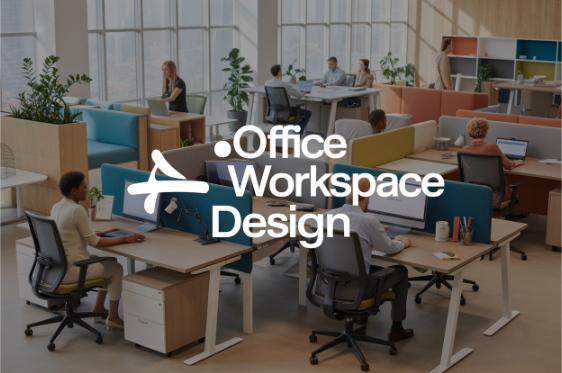
Effective office workspace design includes:
- Open-plan workstations combined with quiet focus areas
- Collaboration zones and informal meeting spaces
- Ergonomic desks, chairs, and workstations
- Flexible layouts that support hybrid and remote work models
By designing activity-based work zones, commercial interior designers ensure employees can move between focused work, collaboration, and relaxation without disruption. These design strategies improve efficiency while reducing fatigue and burnout — for a deeper look at the specific elements that drive this, see our guide to office workspace design.
Corporate Interior Design
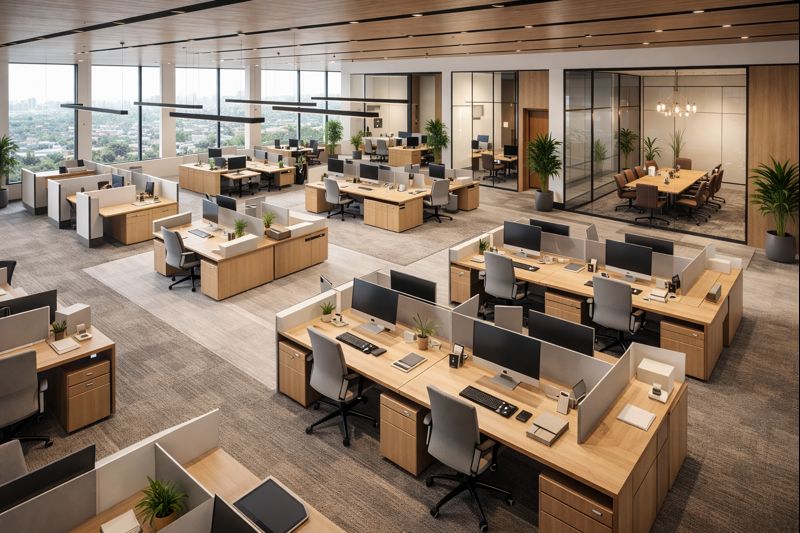
Corporate interior design represents a company’s professionalism, culture, and authority. From the moment a client or visitor enters the space, the interior should communicate trust, credibility, and brand values.
Corporate interior design typically focuses on:
- Branded reception and waiting areas
- Executive cabins and leadership offices
- Boardrooms equipped for presentations and meetings
- Collaboration zones for teams and departments
Thoughtfully designed corporate spaces boost employee confidence and reinforce the company’s market positioning.
Retail Interior Design
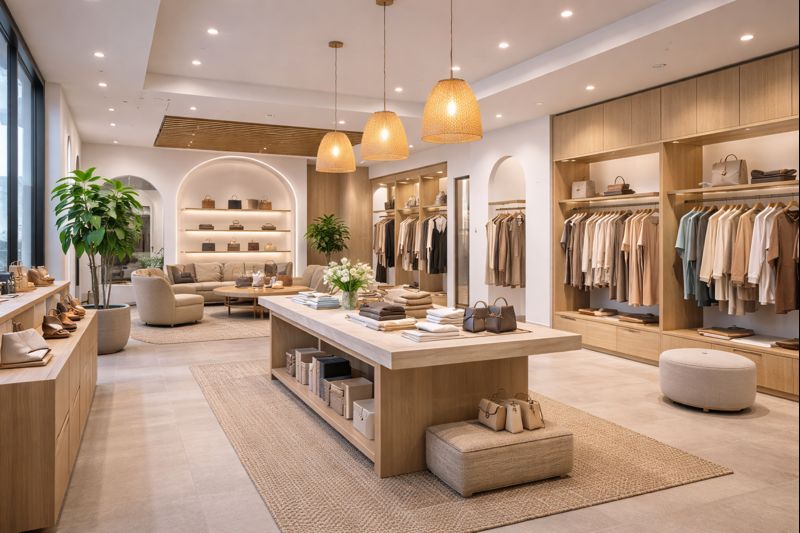
Retail interior designers shape customer experiences that directly influence purchasing decisions. Every design element—from layout to lighting—guides how customers move through the space and interact with products.
Strategic retail interior design helps to:
- Improve product visibility and merchandising
- Enhance customer flow and navigation
- Reinforce brand identity through visual storytelling
- Increase dwell time and conversion rates
Well-planned retail interiors create immersive brand experiences that translate into stronger customer engagement and sales performance.
Hospitality & Commercial Public Spaces
Hotels, restaurants, clinics, and co-working spaces require interiors that balance comfort, durability, and brand alignment. These environments experience high foot traffic and must remain functional while feeling welcoming.
Commercial interior designers focus on:
- Comfortable seating and intuitive layouts
- Durable materials suitable for heavy use
- Lighting that enhances ambiance and usability
- Brand-consistent design across public areas
The result is a space that feels inviting while supporting smooth daily operations.
Why Hiring Commercial Interior Designers Is a Smart Business Decision
1. Optimized Space Utilization
Professional commercial interior designers ensure that every square foot of space serves a purpose. Through strategic commercial space planning, they:
- Maximize usable areas
- Improve traffic flow
- Eliminate underutilized zones
Efficient layouts reduce unnecessary real estate costs and improve operational efficiency over time.
2. Enhanced Employee Productivity & Wellbeing
Work environments directly affect how employees feel and perform. Commercial interior designers incorporate:
- Ergonomic furniture systems
- Natural lighting and ventilation strategies
- Acoustic solutions to reduce noise distractions
These elements reduce physical strain, improve focus, and support long-term employee health and satisfaction.
3. Stronger Brand Identity
Commercial interior design visually communicates a brand’s personality and values. From color palettes and materials to signage and spatial flow, designers ensure consistency across the environment.
A cohesive interior strengthens brand recognition and creates memorable experiences for employees, clients, and visitors alike.
4. Compliance, Safety & Accessibility
Commercial interiors must meet regulatory requirements. Designers ensure compliance with:
- Local building codes
- Fire and safety regulations
- Accessibility standards
This minimizes legal risks and creates inclusive, safe spaces for everyone.
Key Design Elements Used by Commercial Interior Designers
Space Planning & Layout Design
Successful commercial interiors balance collaboration with privacy. Designers create layouts that support different work styles through:
- Activity-based zoning
- Clear circulation paths
- Flexible partitions and furniture systems
This allows teams to work efficiently without constant disruptions.
Lighting Design
Lighting has a direct impact on productivity and mood. Commercial interior designers combine:
- Natural daylight optimization
- Energy-efficient LED systems
- Task lighting for focused work
Well-planned lighting improves visual comfort while reducing energy consumption.
Color Psychology in Commercial Interiors
Colors influence behavior and emotional response:
- Blues and greens encourage focus and calm
- Neutral tones convey professionalism
- Accent colors stimulate creativity and brand energy
Designers carefully balance color usage to align with brand identity and workplace goals.
Furniture & Ergonomics
Modern commercial interiors prioritize employee comfort and adaptability through:
- Height-adjustable desks
- Ergonomic seating
- Modular furniture systems
These solutions promote flexibility, reduce physical strain, and support evolving work patterns.
Latest Trends in Commercial Interior Design
To remain competitive and future-ready, businesses are adopting emerging design trends such as:
- Hybrid and flexible workspaces
- Sustainable and eco-friendly materials
- Biophilic design elements that bring nature indoors
- Smart technology integration
- Wellness-focused environments
These trends enhance both employee experience and long-term business performance.
How to Choose the Right Commercial Interior Designer
When selecting a commercial interior designer, businesses should evaluate:
- Relevant industry experience
- Portfolio quality and real-world case studies
- Understanding of business objectives
- Clear project timelines and processes
- End-to-end design and execution capabilities
The right designer prioritizes problem-solving, efficiency, and measurable outcomes—not just visual appeal. For complex builds, early input from MEP design & consultancy teams can also ensure the interior concept integrates with core building systems — see our MEP design & consultancy guide for what that coordination actually involves.
Conclusion: Invest in Commercial Interiors That Work for You
Commercial interior designers play a critical role in shaping spaces that support productivity, brand growth, and employee wellbeing. Their expertise combines strategic planning, creativity, and functionality to deliver environments that evolve with business needs.
Whether you are launching a new office, renovating a retail store, or upgrading a corporate facility, investing in professional commercial interior design services creates long-term value, stronger brand perception, and more engaged teams.
Frequently Asked Questions
Related Topics
Call to Action
Planning to upgrade your commercial space? Consult experienced commercial interior designers to create a workspace that reflects your brand, supports your people, and drives measurable business results.
.jpeg)